
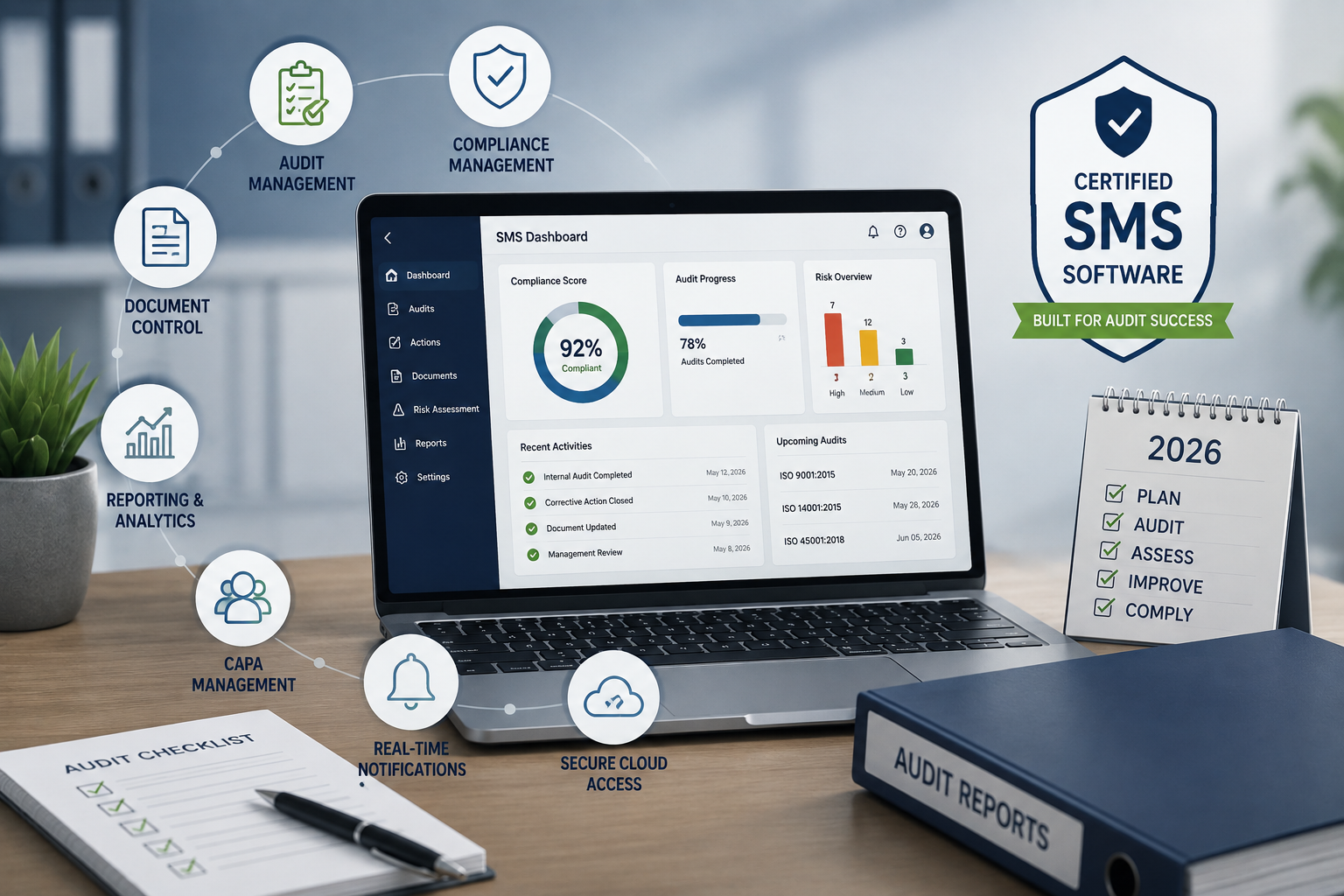
Here are some of the best certified SMS platforms for audit services:
- Legalpin
- Afilnet Certified SMS
- LabsMobile Certified SMS
- Namirial Notify
- ANF eBurofax
- Aviva Voice Certified SMS
- G729 Certified Legal SMS
Audit firms rely on clear, traceable communication when requesting evidence, reminding clients about deadlines, confirming engagement actions, or following up on outstanding documents. A standard SMS may be fast, but it often provides limited information about the exact content sent, the recipient, the delivery timeline, and the record retained for later review.
Certified SMS software for audit services adds a documented evidence layer to mobile communication. Depending on the provider, the resulting record may include the message content, sender, recipient, timestamps, delivery status, and a downloadable certificate. This can help audit teams connect urgent reminders with the correct client, engagement, and working-paper record.
The seven software options below take different approaches to certified messaging. Some focus on direct SMS certification, while others combine SMS with certified email, electronic signatures, APIs, hosted documents, or broader evidence-management workflows. Their suitability and legal effect depend on the specific communication, applicable rules, evidence retained, and correct use.
These are the 7 certified SMS software options for audit services
The following platforms offer certified SMS or broader certified-delivery capabilities. They are not interchangeable. Some focus on direct SMS certification, while others combine SMS with email, document delivery, signatures, or API-based workflows.
1. Legalpin
Legalpin combines certified SMS with certified email, electronic signatures, identity verification, and evidence custody. This makes it suitable for audit firms that want to manage more than a single mobile notification channel.
Why it’s a good fit
Audit teams can use certified SMS for short reminders and urgent notices, then use certified email or a secure document workflow for the complete evidence request. This helps keep confidential information out of the SMS itself.
The platform can also support a more connected process in which a firm sends a request, records a client response or signature, preserves the related communication, and associates the evidence with the relevant engagement. Firms can send certified SMS as part of a broader communication workflow rather than maintaining separate records in personal inboxes.
2. Afilnet Certified SMS
Afilnet offers certified SMS with downloadable certificates, pay-per-use sending, bulk delivery, and API integration. Its service is designed for organisations that need to send certified notifications through a web interface or integrate them into existing software.
Why it’s a good fit
Afilnet may suit audit firms that need flexible sending volumes or want to automate recurring reminders. For example, a practice-management system could trigger a message when requested evidence remains outstanding after a defined period.
Before implementation, the firm should test how the certificate is linked to the client and engagement record, how failed deliveries are handled, and whether the API captures enough information for internal review.
3. LabsMobile Certified SMS
LabsMobile provides certified SMS through web and API channels. Its service records message content, recipient and sender details, sending time, and final delivery status in a digitally signed certification document.
Why it’s a good fit
This option may be appropriate for firms that want a conventional SMS platform with an additional certification function. It can support recurring client reminders and system-triggered notifications without requiring the recipient to install an application.
Audit firms should distinguish between the platform’s ordinary delivery reports and its certified SMS evidence. The firm should also verify retention, export, access control, and the process for associating certificates with working papers.
4. Namirial Notify
Namirial Notify provides certified delivery across several channels, including email and SMS. It supports features such as attachments, acceptance or rejection requests, and read confirmations, depending on the selected service.
Why it’s a good fit
Namirial may be useful for audit networks that need a broader certified-communications environment rather than a single-purpose SMS tool. A firm could use mobile notifications for urgent reminders while sending detailed documents through a certified delivery workflow.
The main evaluation point is whether the service’s evidence record matches the firm’s needs. Audit teams should review how sender identity, recipient access, delivery, reading, and document integrity are recorded.
5. ANF eBurofax
ANF eBurofax combines certified email, SMS, document delivery, evidence documents, audit trails, API access, and bulk sending. It is designed for formal notifications that may include attachments or require additional recipient identification.
Why it’s a good fit
This can be a practical option for firms that need to send both a short SMS notification and supporting documents through the same certified process. It may be particularly relevant for engagement notices, formal requests, or communications that need a structured evidential document.
Audit firms should assess whether the service is proportionate for routine reminders. For lower-risk communications, a simpler certified SMS workflow may be easier for staff and clients to use.
6. Aviva Voice Certified SMS
Aviva Voice offers certified SMS and email notifications with certification of the message content, submission details, delivery information, and timestamps. Its process generates a digital certificate that can be downloaded and retained.
Why it’s a good fit
Aviva Voice may suit audit firms that prefer a straightforward notification service with a certificate-based output. The PDF certificate can make it easier to store the communication record alongside the engagement file.
The firm should confirm the certificate’s technical contents, retention period, authentication controls, and availability of integrations before using the platform for high-volume or automated communication.
7. G729 Certified Legal SMS
G729 provides certified legal SMS with a PDF record containing message content and communication details. It also offers integration options for organisations that want to connect certified messaging to their own software.
Why it’s a good fit
This option may work for practices that need a dedicated certified SMS service and want to automate sending from an internal system. It can support payment reminders, deadline notifications, and other brief communications where the firm needs a documented record.
As with every provider, audit teams should confirm what “delivery” means in the certificate, how recipient data is validated, and whether the resulting evidence can be exported in a stable format for long-term retention.
Make every audit reminder traceable
Connect urgent alerts with the correct client, engagement, and evidence record.
What audit firms should expect from certified SMS software
The “best” option depends on the firm’s engagement volume, existing systems, retention policy, client profile, and the type of evidence it needs to preserve.
Audit firms regularly send deadline reminders, missing-document requests, engagement updates, payment notices, and appointment confirmations. A standard SMS may show that a message was sent, but it may not preserve the exact content, recipient details, timestamps, delivery events, or evidence needed for a later review.
Certified SMS software adds an evidence layer to mobile communications. Depending on the provider, this may include a certificate containing the original message, sender, recipient, date and time, delivery status, and technical integrity information.
This can help audit teams create a clearer communication history. However, certified SMS should not be treated as automatically conclusive evidence in every situation. Its suitability and legal effect depend on the applicable rules, the provider’s process, the evidence retained, and correct use of the service.
The eIDAS Regulation provides the European framework for electronic identification and trust services, including electronic registered delivery services. Audit firms should assess whether a provider’s service and evidence model meet the requirements of their particular use case.
Use certified SMS as part of a broader audit communication toolkit
Certified SMS is usually most effective when it is part of a broader toolkit.
SMS is not a practical place for a full audit request, attachments, or sensitive financial information. A firm can use compliance email for detailed communication and certified SMS as a short alert.
When a client, director, or authorised representative must approve a document, the firm may need a signature workflow rather than a text-message response. Business e-signatures can record the document version, signer, timestamp, and completion event.
Certificates should be stored with the related engagement record. The firm should be able to prove email delivery and retrieve the message, certificate, and related documents without searching through individual employee accounts.
Phone numbers, email addresses, client records, and audit correspondence may constitute personal data. Firms should apply appropriate access controls, data minimisation, retention, and security measures. The European Commission’s data-protection information provides a useful reference for these principles.
API integrations can connect certified communications with audit-management software, CRM systems, client portals, or document repositories. Automation should include template approval, recipient validation, error handling, and a clear record of the system event that triggered the message.
A practical six-step implementation process
A practical implementation can follow this six-step process:
- Classify communication types. Separate urgent reminders, detailed evidence requests, approvals, payment notices, and formal notifications.
- Choose the correct channel. Use certified SMS for concise alerts, certified email for detailed information, and electronic signatures for approvals or confirmations.
- Create controlled templates. Each template should have an owner, version date, review date, and approval status.
- Verify recipient details. Confirm phone numbers, email addresses, authorised contacts, and delegated representatives before sending.
- Connect evidence to the engagement file. Store the certificate, message content, delivery information, and related documents under the correct client and engagement reference.
- Test exceptions. Include failed delivery, incorrect contact details, expired links, multiple signers, and requests to retrieve records during an internal review.
A practical assessment checklist
Audit firms should assess the system using realistic engagement scenarios rather than relying only on a product demonstration.
Before choosing certified SMS software for audit services, ask:
- Does the platform preserve the exact SMS content?
- Does it identify the sender and intended recipient?
- Are sending, delivery, and failure events recorded?
- Is the certificate digitally protected against alteration?
- Can staff export the evidence to the engagement file?
- Are role-based permissions available?
- Does the provider offer API access?
- How long are records retained?
- How are phone numbers and message contents protected?
- Can the service handle corrections or failed deliveries?
- Does the provider distinguish certified evidence from ordinary delivery reporting?
The firm should also confirm that the provider’s documentation supports the way the service will actually be used. A certificate cannot correct an incorrect recipient, an inaccurate message, or an unsuitable communication process.
Conclusion
The seven software options above give audit firms different ways to add certification, traceability, and automation to SMS communications. Legalpin is particularly relevant for firms that want certified SMS to work alongside certified email, electronic signatures, identity verification, and evidence custody.
A general SMS gateway may be sufficient for low-risk operational reminders, but it should not automatically be treated as certified evidence. Audit firms should examine the certificate, delivery record, security controls, integration options, and retention process before relying on any platform.
The strongest workflow usually sends only a concise alert by SMS and keeps detailed audit information in a secure document or email channel.
Create a clearer audit communication record
Test how certified SMS, email, signatures, and evidence retention can support your audit communication process.
Frequently Asked Questions (FAQs)
What is certified SMS software?
It is software that sends SMS messages while producing a structured record of the communication, such as the message content, sender, recipient, timestamps, and delivery events.
Which certified SMS platform is best for an audit firm?
There is no single best option for every firm. Legalpin may suit teams seeking a wider certified-communication workflow, while other platforms may be more appropriate for API automation, bulk sending, or formal document delivery.
Can an audit evidence request be sent entirely by certified SMS?
Usually not. Certified SMS is better suited to a short reminder or alert. The complete evidence request should normally be sent through certified email, a secure portal, or another controlled document channel.
Is a standard SMS delivery report the same as certified SMS evidence?
Not necessarily. A standard delivery report may not preserve the full content, sender identity, integrity information, or complete timeline needed for a later review.
What information should audit firms include in an SMS?
No unnecessary confidential information should be included. Use the SMS to direct the recipient to a secure channel where the full information can be accessed.
Can certified SMS integrate with audit software?
Many providers offer APIs or workflow integrations. The firm should test recipient validation, template controls, error handling, and evidence export before automating communications.
How long should audit firms retain certified SMS records?
The period depends on professional requirements, engagement terms, applicable data-protection rules, and the firm’s retention policy. Records should be retained long enough to support legitimate review needs without keeping personal data indefinitely.


